

In case you don’t have the time to read, here is our podcast you can listen to:
Integrity in Business: A Strategic Priority for HR Leaders
For HR professionals, integrity is no longer just a “nice-to-have” value, it’s a core driver of organizational performance, culture, and risk management. But what does integrity really mean in a business context, and how can HR actively shape it?
What Integrity Means in Today’s Organizations
Integrity in business goes beyond compliance or policies. It’s the consistent alignment between what a company says and what it does—across leadership decisions, employee behavior, and stakeholder relationships.
At its core, integrity includes:
- Honesty in communication and actions
- Transparency in decision-making
- Accountability at every level of the organization
For HR, this translates into building systems and cultures where ethical behavior is the default—not the exception.
Why Integrity Is an HR Responsibility
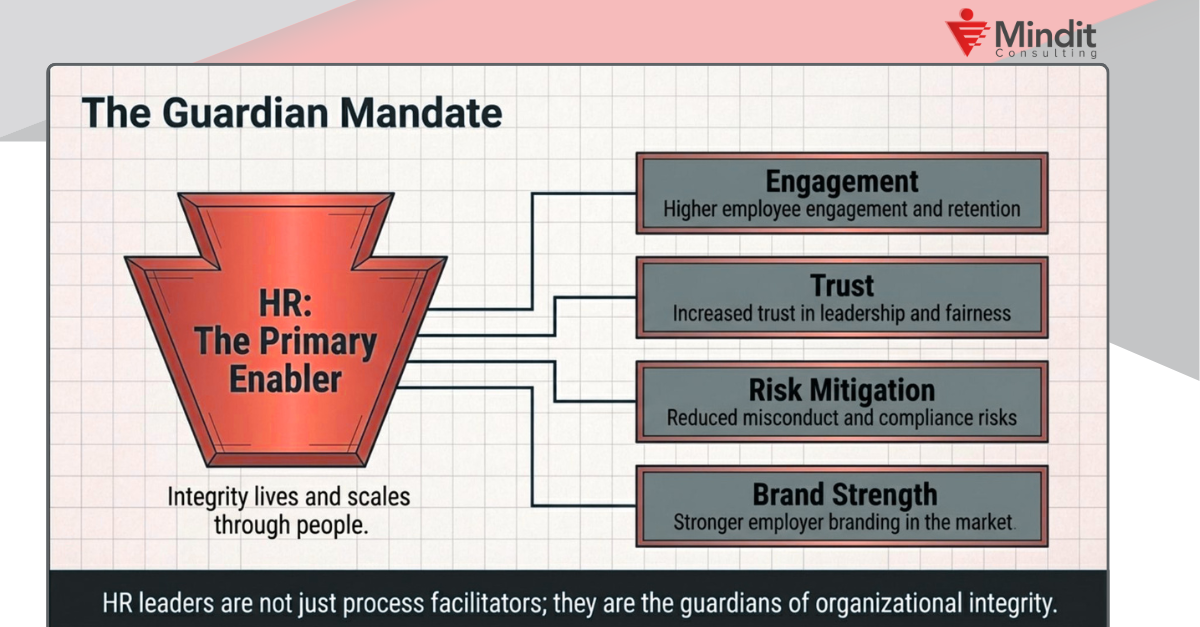
Integrity lives and scales through people—which makes HR its primary enabler.
A strong integrity-driven culture leads to:
- Higher employee engagement and retention
- Increased trust in leadership
- Reduced misconduct and compliance risks
- Stronger employer branding
When employees believe in the fairness and consistency of their organization, they are more likely to perform, collaborate, and stay.
From Values to Practice: How HR Can Operationalize Integrity
Many organizations define values, but fewer successfully embed them. This is where HR plays a critical role.
Key focus areas include:
1. Hiring for Integrity, Not Just Skills
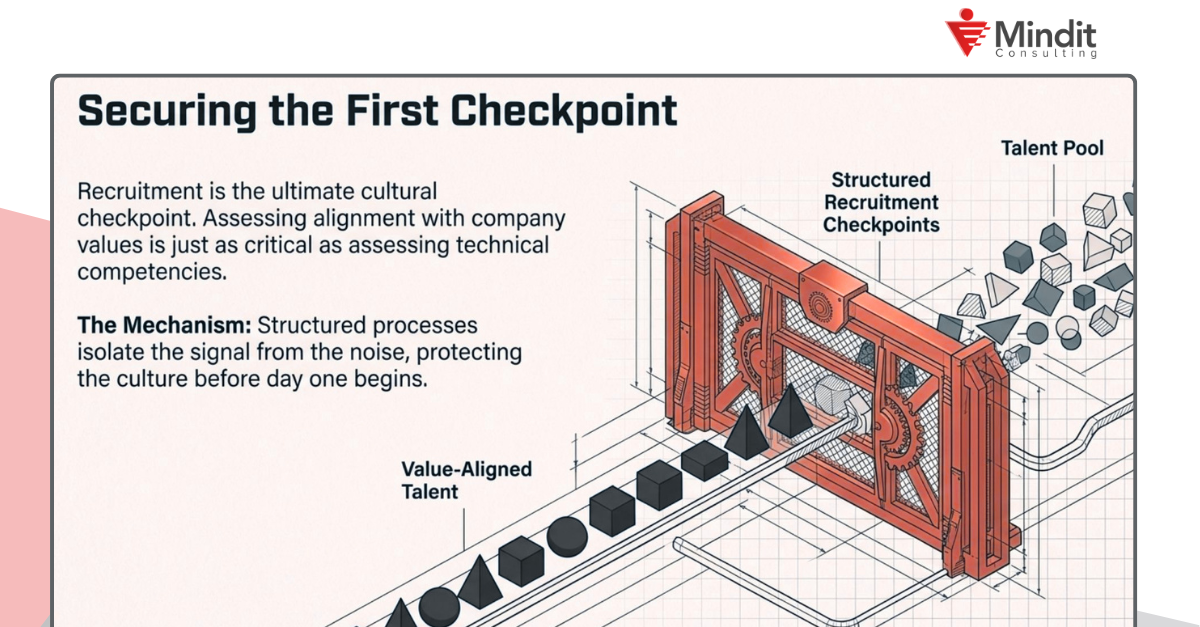
Recruitment is the first checkpoint. Beyond competencies, HR must assess alignment with company values. This is where structured processes—like background checks and behavioral interviews—become essential tools.
2. Building a Transparent Culture
Integrity thrives in environments where communication is open and consistent. HR should ensure:
- Clear policies that are applied uniformly
- Safe channels for reporting concerns
- Leadership accountability
3. Enabling Ethical Decision-Making
HR must support leaders with frameworks and training that prioritize fairness and long-term impact over short-term gains.
4. Reinforcing Through Systems and Metrics
Integrity should be measurable. This includes:
- Employee feedback and trust surveys
- Ethics-related KPIs in performance reviews
- Monitoring misconduct trends
Integrity vs. Compliance: A Critical Distinction for HR
Compliance ensures that rules are followed. Integrity ensures that the right choices are made—even when rules don’t explicitly apply.
Organizations that rely only on compliance are reactive.
Organizations that build integrity are proactive and far more resilient.
The Role of Background Checks in Building Integrity
One of the most practical ways HR can protect and strengthen organizational integrity is through robust background screening.
Background checks:
- Validate candidate honesty and past behavior
- Reduce hiring risks
- Support fair and informed decision-making
- Reinforce a culture of trust from day one
They are not just a verification tool—they are a strategic safeguard for company culture.
Why This Matters Now More Than Ever
In today’s transparent and fast-moving business environment, reputation is fragile. A single integrity breach can impact employer branding, employee morale, and customer trust.
At the same time, companies known for integrity:
- Attract better talent
- Retain high performers
- Build stronger partnerships
- Achieve sustainable growth
How Mindit Consulting Supports HR Leaders
At Mindit Consulting, we work closely with HR departments to turn integrity from a stated value into a measurable, scalable reality.
We support organizations by:
- Implementing reliable background check solutions tailored to your hiring needs
- Helping define and integrate integrity-driven hiring frameworks
- Supporting HR teams in building transparent, trust-based cultures
Our approach combines technology, expertise, and deep understanding of HR challenges—so you can make confident hiring decisions and protect your organization’s long-term success.
Final Thought
Integrity is not built overnight, and it’s not owned by leadership alone. It is shaped every day through hiring decisions, policies, and behaviors.
For HR leaders, this is a powerful opportunity: to become not just facilitators of processes, but guardians of organizational integrity.